
Ghana Cocoa Sector intensifies readiness for EU Deforestation Regulation Compliance
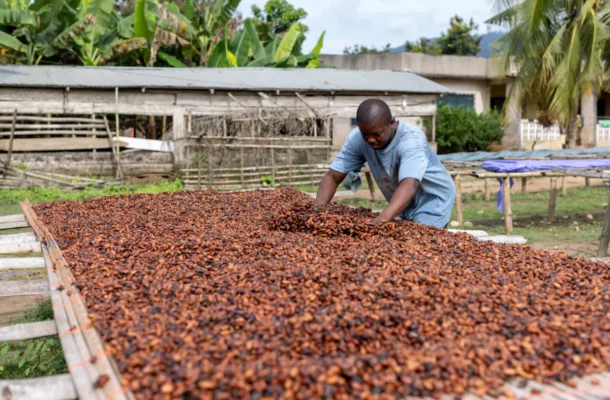
Stakeholders in Ghana’s cocoa industry have stepped up preparations toward the implementation of the European Union Deforestation Regulation (EUDR), as key actors met in Accra to deliberate on compliance requirements ahead of the December 2026 deadline.
The 4th EUDR Multi-Stakeholder Event focused on strengthening collaboration among industry players, raising awareness of the regulation, and promoting sustainable cocoa production practices in line with the upcoming enforcement timeline.
The EUDR requires exporters of commodities including cocoa, coffee, palm oil, rubber, soy, timber, and beef to the European market to demonstrate that their products are not linked to deforestation and can be fully traced to their origin.
The forum brought together government officials, cocoa purchasing companies, exporters, development partners, civil society organisations, and farmers to assess Ghana’s readiness, identify implementation challenges, and explore support mechanisms needed to ensure compliance.
The European Union Ambassador to Ghana, Rune Skinnebach, described deforestation as a major global challenge with severe implications for climate, livelihoods, and the sustainability of cocoa production. He said the regulation is aimed at ensuring deforestation-free supply chains and reducing the environmental impact of global trade.
He noted that cocoa accounts for about 95 percent of the export value of the commodities covered under the regulation, making Ghana’s cocoa sector central to its successful implementation.
Ambassador Skinnebach stressed the importance of sustained dialogue between producing and consuming countries, adding that cooperation is essential to building transparent and sustainable supply chains while protecting forest resources.
He commended the efforts of COCOBOD and the Forestry Commission in developing traceable cocoa systems, describing Ghana’s progress toward compliance as significant.
Delivering remarks on behalf of COCOBOD Chief Executive Dr. Randy Abbey, the Deputy Director for Monitoring and Evaluation, Eric Amengor, said the relationship between the European Union and Ghana’s cocoa sector remains mutually beneficial.
He emphasised that cocoa remains a key national asset that supports millions of farmers and contributes significantly to Ghana’s economy, making it essential to maintain access to international markets while protecting forest reserves.
He added that Ghana has already fully operationalised the Ghana Cocoa Traceability System, despite delays in the enforcement of the regulation.
According to him, systems have been put in place to enable companies to meet EUDR obligations, including cocoa traceability and deforestation risk assessments, assuring that Ghana remains committed to supplying compliant cocoa to the EU market.
However, he acknowledged that logistical challenges persist and called for continued collaboration among stakeholders to ensure smooth implementation.
The Forestry Commission also used the event to launch a 2020 forest cover map for cocoa-growing areas, aligned with UN FAO standards to support EUDR compliance.
Deputy Chief Executive of the Forestry Commission, Elikem Kotoko, said the map will provide reliable data for assessing deforestation risks and ensuring cocoa production aligns with both national and international sustainability standards.
He added that the EUDR represents a significant step in global efforts to combat deforestation and promote responsible sourcing, noting that stakeholder engagement is crucial to strengthening compliance within the cocoa value chain.





Popular News
No trending posts found.