
Toxic Metals found in ‘shire’ sold in Kumasi markets – CSIR study
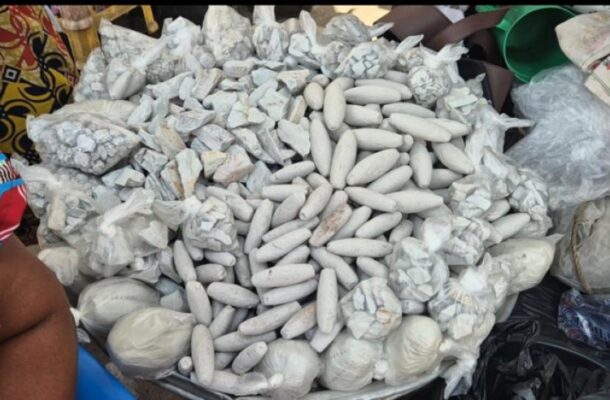
A recent study by scientists at the Soil Research Institute of the Council for Scientific and Industrial Research (CSIR-SRI) has found geophagic clays sold in markets in Kumasi to contain dangerously high levels of heavy metals.
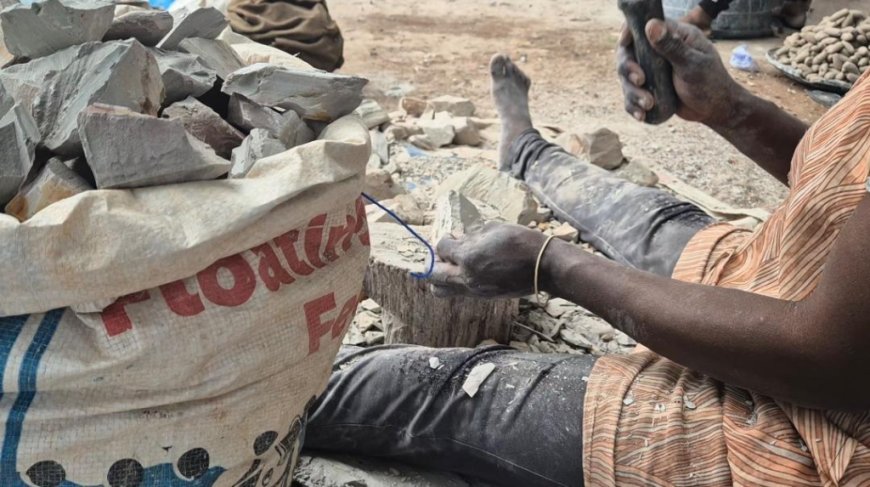
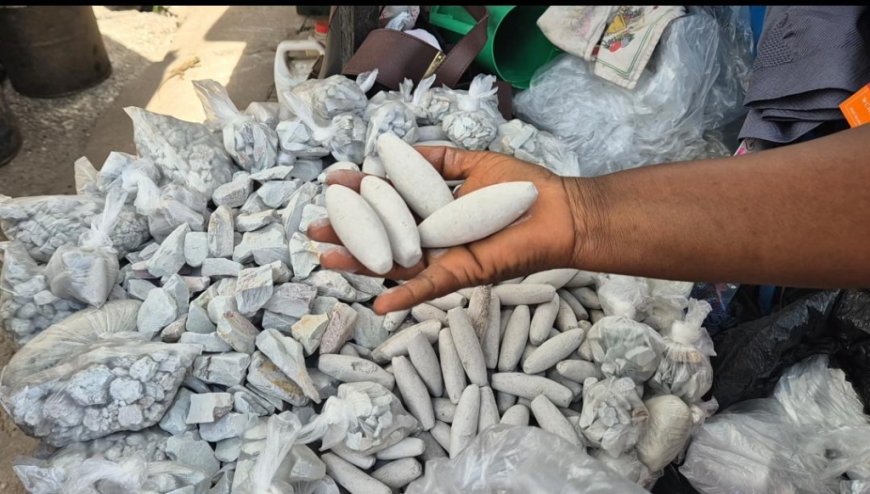
Geophagic clays, locally known as ‘Shire’ or ‘Ayilor’, are commonly consumed by pregnant women who cite reasons such as alleviating throat irritation, nausea and heart discomfort during pregnancy.
The study, published in the Journal of Chemistry, examined the presence of seven prevalent potentially toxic elements (PTEs) in clay consumed predominantly by pregnant women.
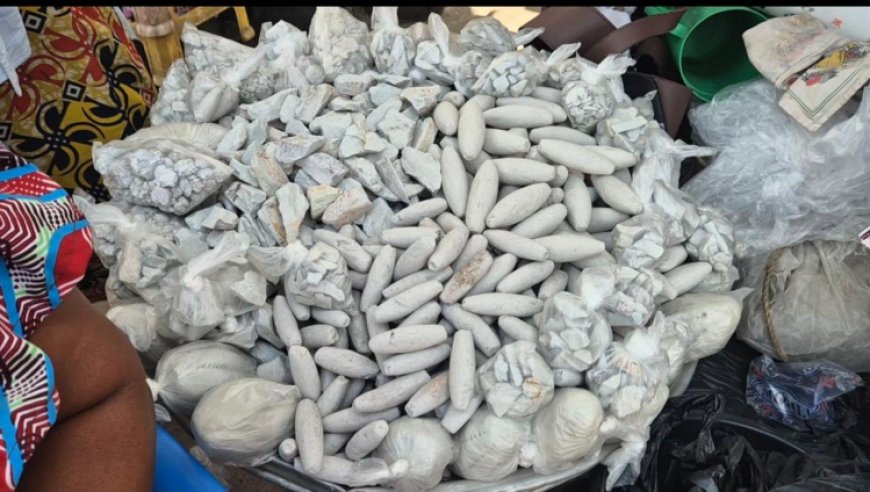
The research, conducted by Dr Albert Kobina Mensah and his team, sampled 40 baked, ready-to-eat geophagic white clay products from eight major markets within the Kumasi Metropolis.
The samples were randomly collected from Abuakwa, Asafo, Bantama, Central Market, Edwenease, Krofrom, Kwadaso and Tanoso.
Laboratory analysis revealed elevated levels of Lead (Pb), Cadmium (Cd), Iron (Fe), Copper (Cu), Arsenic (As), Nickel (Ni), Zinc (Zn) and Manganese (Mn) in the clay samples.
According to the findings, the total concentration of lead in the samples measured 17.7 mg kg⁻¹, nearly 60 times higher than the Food and Agriculture Organisation (FAO) and World Health Organisation (WHO) safety limit of 0.3 mg kg⁻¹.
Researchers warned that prolonged consumption of the contaminated clay could pose serious long-term health risks and that exposure to lead, even at low levels, presents a significant cancer risk.
“Clay-Pb-rich soil can cause severe health consequences if it is consumed over an extended period. These complications can include serious issues with the kidneys, liver, and heart,” the research emphasised.
The study forms part of broader research into geophagy, the deliberate consumption of soil or clay, which remains a common cultural practice in Ghana, particularly among pregnant women.
Dr Mensah explained that apart from the pleasant smell, the high iron content in the clay could partly contribute to why many women crave it during pregnancy.
“Iron helps with the formation of haemoglobin. Women who are pregnant lose a lot of blood, so when they eat it, the iron replenishes the haemoglobin and also increases the red blood cells,” he explained.
Despite the iron content, Dr Mensah cautioned that the toxic elements found in the clay outweigh any potential nutritional benefit.
“When it comes to potential toxic elements or heavy metals, they are heavy because they are needed in trace amounts. Even concentrations of 0.01 mg/kg become a problem.
Let’s take toxic elements like cadmium, arsenic, mercury, and lead; these 4 are carcinogenic; we don’t need them. The body does not need them in any form.
“Even though you’re eating to get iron, you’re getting arsenic too in there. So the disadvantages will overshadow the advantages. So the point is not about the elements that matter but the ones that don’t,” he added.
Researchers are recommending public education campaigns, particularly targeting pregnant women, and further investigations into the sources of the clay sold on the market.
“Government and health organisations should initiate educational campaigns to inform communities, especially pregnant women, of the potential impact of this practice.
Further research is also needed to ascertain the various origins of this. The research must go beyond the market and see the source where it came from.”






Popular News
No trending posts found.