
Two Energy Commission officials detained over alleged meth-laced charcoal shipment

Institutional apparatus designed to regulate Ghana’s charcoal export flows has encountered criminal infiltration allegations as law enforcement has detained two Energy Commission functionaries suspected of involvement in an international methamphetamine trafficking scheme that weaponised commodity export permits to channel narcotics toward Australian markets.
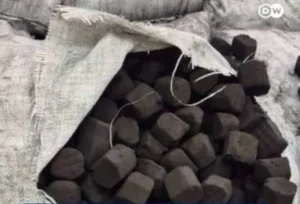
The Narcotics Control Commission has taken the officials into custodial interrogation following the interception by Australian authorities of a charcoal shipment suspected of containing methamphetamine concealed within the commodity consignment.
The discovery triggered investigative procedures designed to establish whether Ghanaian institutional gatekeepers facilitated the illicit transport or whether criminal operatives exploited export approval procedures to accomplish their trafficking objectives.
The detained Energy Commission officials occupy positions within Ghana’s charcoal export licensing apparatus — the institutional mechanism through which state authority determines which shipments merit authorisation for international commercial movement.
Their engagement in the alleged trafficking scheme, investigators suspect, would have provided the administrative legitimacy necessary to process the methamphetamine-contaminated shipment through formal export procedures that would otherwise have subjected the cargo to heightened scrutiny.
NACOC has characterised the detentions as investigative necessity rather than formal accusation, indicating that the officials’ custodial status derives from their alleged connection to the export approval process rather than established criminal culpability.
The agency seeks to determine whether the officials possessed knowledge of the narcotics concealment, whether they deliberately circumvented export procedures to facilitate the shipment’s movement, or whether criminal operatives exploited institutional processes without administrative complicity.
The investigation encompasses questions regarding whether state export procedures functioned as designed or whether systematic breaches in the approval apparatus created vulnerability to criminal exploitation.
If officials deliberately compromised export procedures, the implication extends toward institutional corruption grounded in financial incentive. If procedures functioned but were nonetheless exploited, the implication suggests that criminal networks possess sufficient operational sophistication to circumvent institutional safeguards.
NACOC has withheld disclosure of the detained officials’ identities and indicated that formal charges remain undetermined pending investigative conclusion.
The agency has signalled that further details will emerge as the probe progresses, suggesting that the investigation encompasses broader institutional territory extending beyond the two detained individuals toward identification of the criminal apparatus coordinating the international trafficking operation.
The shipment’s interception by Australian authorities prevented what investigators regard as successful completion of a transnational drug trafficking operation.
The methamphetamine’s destination marketplace and intended distribution network remain subjects of active investigation as authorities attempt to reconstruct the operation’s full institutional architecture.





Popular News
No trending posts found.