
UK bans social media for under-16s in landmark child online safety crackdown
The United Kingdom is preparing to introduce one of its toughest digital safety measures yet, with plans to ban children under the age of 16 from accessing major social media platforms as part of a broader effort to protect young people from the growing risks associated with online activity.
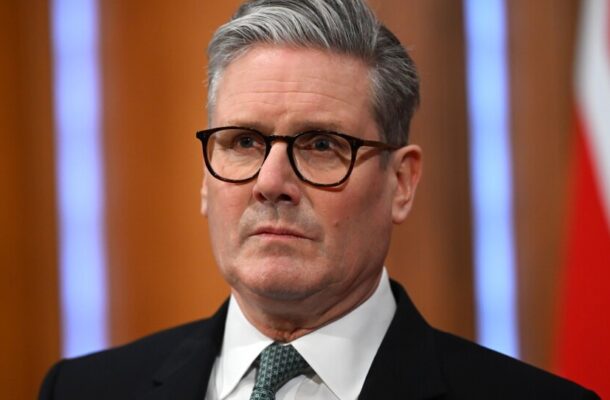
The proposed legislation, announced by British Prime Minister Keir Starmer, represents a significant escalation in the government’s campaign to strengthen online safety and address mounting concerns about the impact of social media on children’s mental health, well-being and overall development.
If approved by Parliament, the new law would prohibit individuals under the age of 16 from accessing some of the world’s most widely used social media platforms, including Instagram, TikTok, Snapchat, Facebook, YouTube and X.
The move follows growing international concern over the influence of social media on young users, particularly issues relating to anxiety, depression, cyberbullying, online exploitation, harmful content and excessive screen time.
Over the past decade, governments, health professionals and child advocacy groups across the world have increasingly raised alarm about the effects of digital platforms on children’s psychological and emotional well-being.
Research conducted in several countries has linked excessive social media use among young people to increased levels of stress, loneliness, sleep disruption and exposure to harmful online material.
In response to these concerns, governments globally have begun exploring stricter regulations aimed at safeguarding children in the digital environment.
The United Kingdom’s latest proposal is being driven by findings from a nationwide consultation process that reportedly attracted more than 116,000 responses from parents, educators, child welfare experts and members of the public.
According to government officials, a majority of respondents expressed support for stronger restrictions on children’s access to social media and called for more robust measures to protect young people online.
The proposed legislation extends beyond simply restricting access to social networking platforms.
Under the new framework, users below the age of 16 would also be prohibited from livestreaming content online and from communicating directly with unknown adults through digital platforms.
Government officials argue that these additional safeguards are necessary to reduce the risks of online grooming, exploitation, harassment and other forms of digital abuse that disproportionately affect children and teenagers.
The proposed reforms form part of a wider strategy by the Starmer administration to create a safer online environment while encouraging healthier alternatives for young people.
Alongside the planned restrictions, the British government has announced increased investments in youth development programmes focused on sports, arts, culture and outdoor recreational activities.
Officials believe that providing young people with greater access to positive offline opportunities will help reduce excessive dependence on social media and promote healthier lifestyles.
The government is also placing renewed pressure on technology companies to strengthen age verification systems, improve content moderation and implement more effective child protection measures across their platforms.
The proposed legislation marks a significant shift in the ongoing global debate about the balance between digital freedom, parental responsibility and government regulation.
Supporters of the policy argue that social media companies have failed to adequately protect children from harmful content and online predators, making stronger government intervention necessary.
They contend that restricting access during formative years could help protect children’s mental health and reduce exposure to risks that many young users are not equipped to navigate.
Critics, however, are expected to raise concerns about enforcement challenges, digital rights, privacy implications and whether outright restrictions represent the most effective approach to online safety.
Questions are also likely to emerge regarding how platforms will verify users’ ages and prevent underage individuals from bypassing restrictions.
The debate mirrors similar discussions taking place in other parts of the world.
Countries such as Australia, France and several U.S. states have recently considered or introduced measures aimed at limiting children’s access to social media, reflecting a growing international trend toward tighter regulation of digital platforms.
For the United Kingdom, the proposed law represents one of the most ambitious attempts yet to reshape the relationship between children and social media.
If Parliament approves the legislation, it could fundamentally alter how millions of young people interact with digital platforms and establish a new benchmark for online child protection policies internationally.















Comments (0)