
Uniforms abandoned for brooms as Police trade patrol cars for national clean up exercise
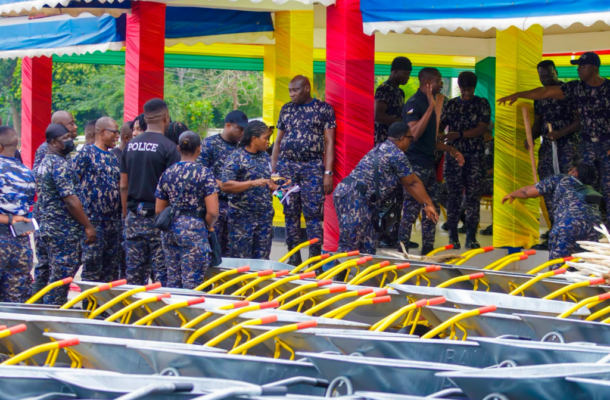
The nation’s law enforcement apparatus has redirected its organisational muscle toward environmental restoration, with thousands of police personnel across Ghana exchanging conventional patrol responsibilities for sanitation labour as communities launch an intensive two-day campaign to cleanse terrain ravaged by the June 29 deluge.

#image_title
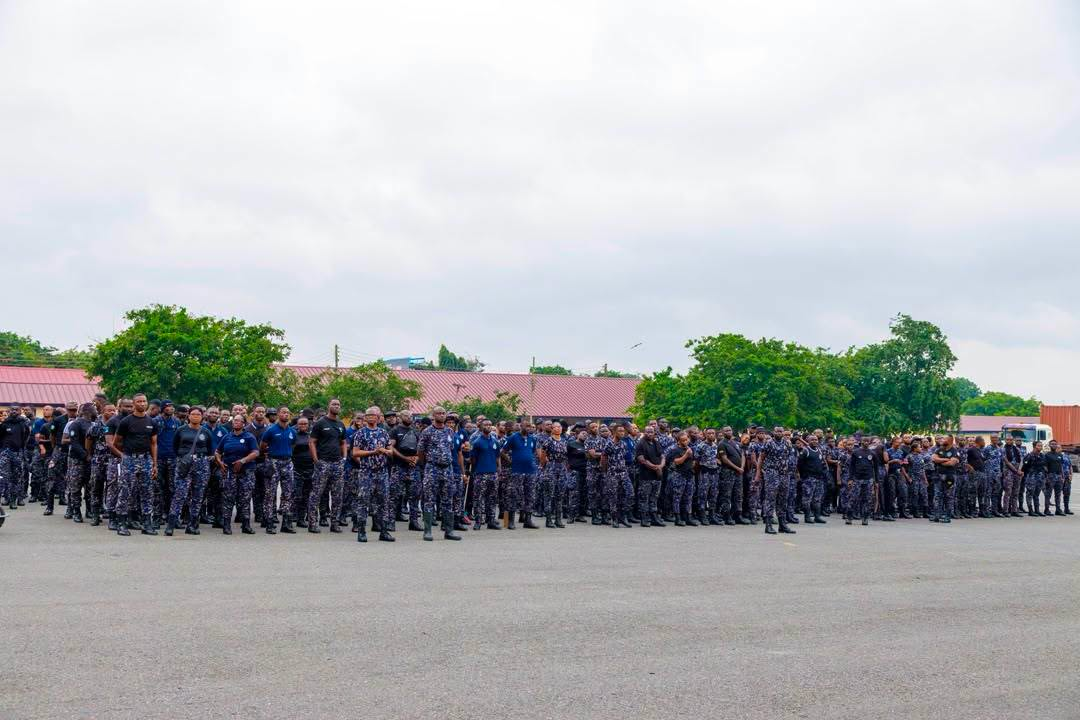
The Ghana Police Service mobilised its nationwide contingent to participate in what has been designated the National General Cleaning Exercise, a coordinated institutional response to restore drainage infrastructure and eliminate the environmental conditions that exacerbate flood vulnerability.
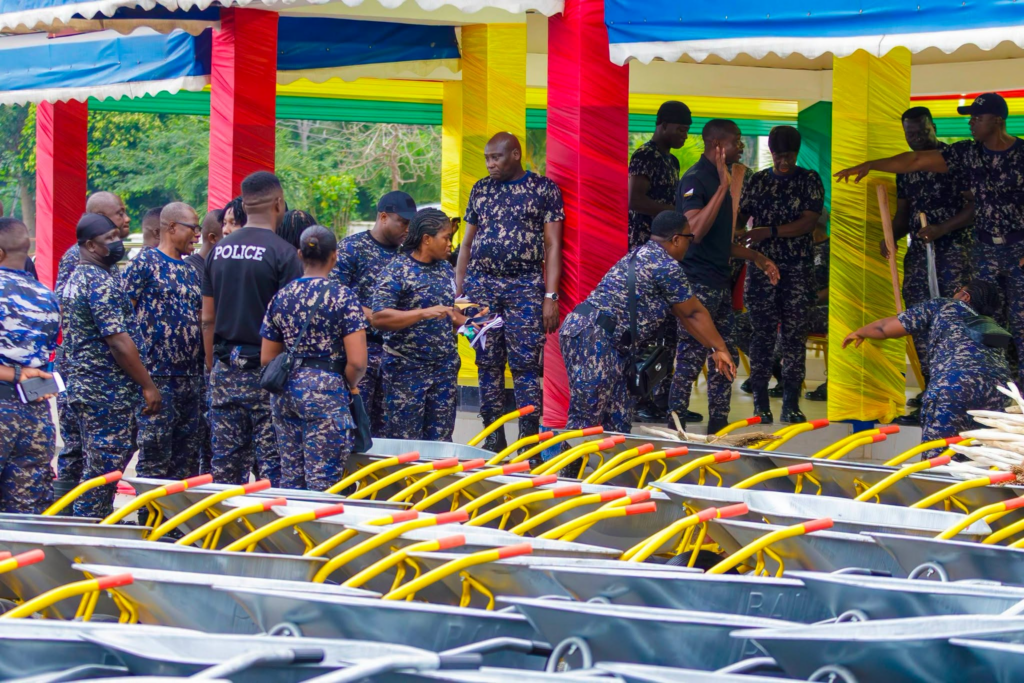
Personnel have been provisioned with brooms, wheelbarrows, tricycles and specialised sanitation apparatus necessary for removing accumulated debris and restoring cleanliness to public spaces.
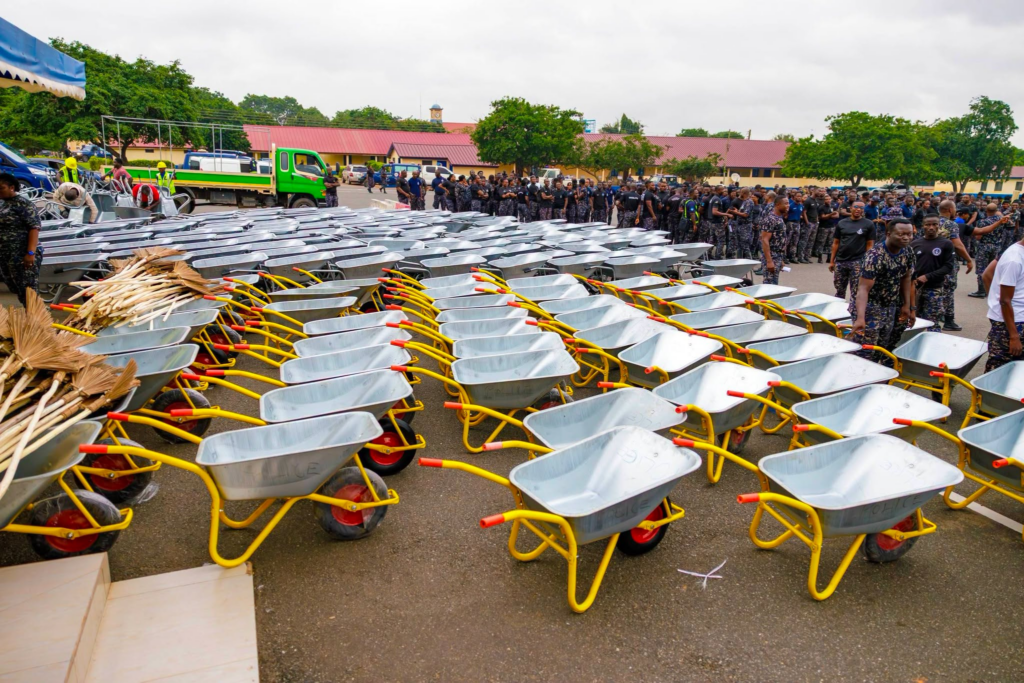
#image_title
The deployment represents a strategic decision by institutional leadership to position law enforcement as a community service organisation transcending conventional crime-fighting functions.
Officers working alongside residents in their constituencies communicate a message of governmental commitment to shared restoration and collective responsibility for environmental stewardship.
#image_title
The exercise commenced Friday, July 10, 2026, concentrated upon seven flood-affected regions where the June precipitation had obliterated drainage channels and left landscapes scarred by accumulated sediment and contamination.
The initiative aligns with directives issued by President John Dramani Mahama requiring all government appointees — cabinet ministers, parliamentarians, state enterprise leadership and local government executives — to abandon their offices and direct sanitation activities within their respective communities.
#image_title
The Ghana Police Service issued a call-to-arms to the broader citizenry, urging residents to complement official efforts by mobilising their own labour capacity and working alongside security personnel.
“Join our officers in various communities across the country; let us keep Ghana safe and clean,” the statement read.
The two-day campaign forms part of a comprehensive governmental mitigation strategy articulated through the Post-Flood Mitigation Committee.
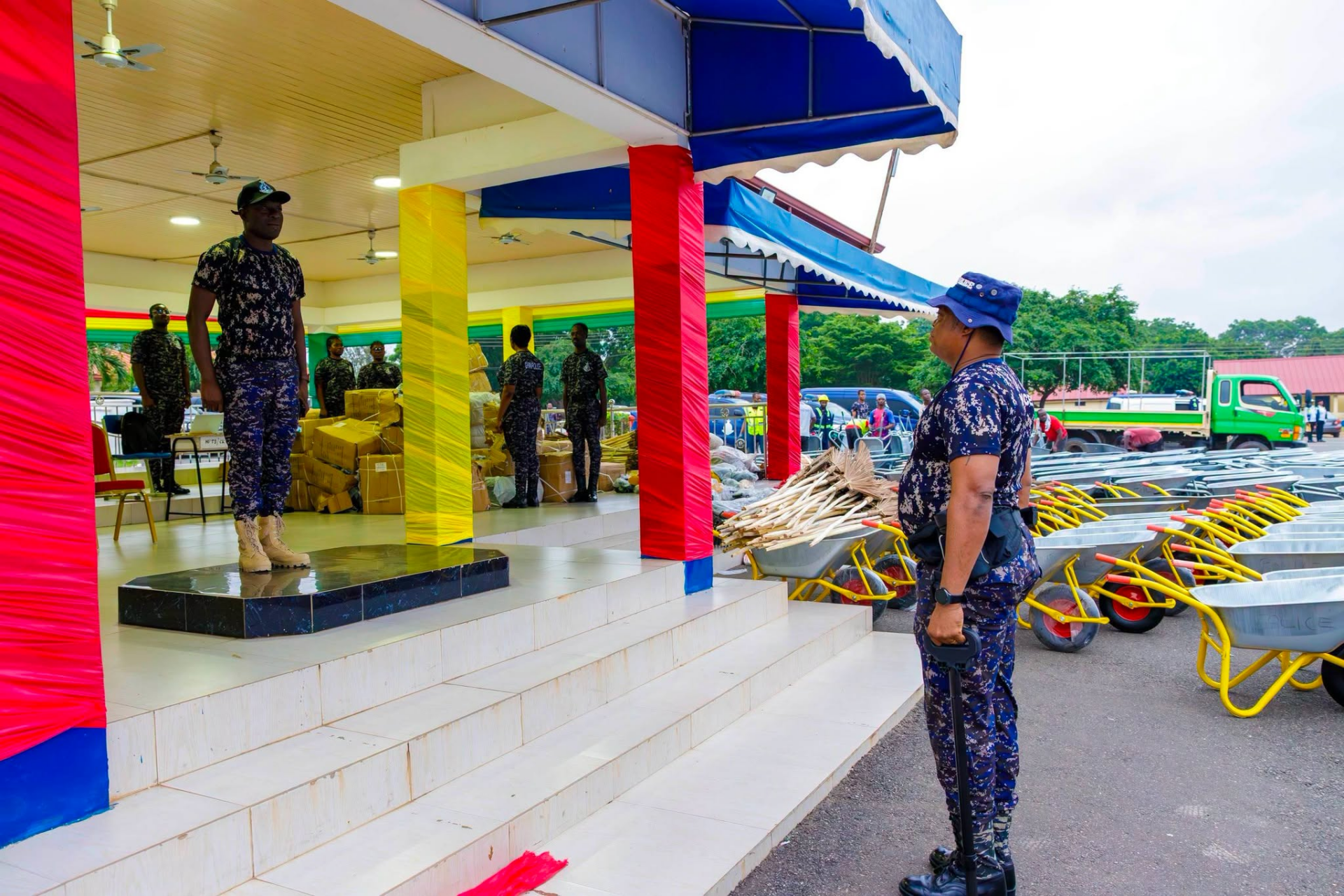
#image_title
The cleanup operations target systematic desiltation of choked drainage channels, improvement of community-level sanitation infrastructure and progressive reduction of conditions that transform ordinary precipitation into catastrophic inundation.
The June 29 floods claimed at least thirteen confirmed deaths, displaced thousands of residents and inflicted extensive destruction upon residential and commercial property alongside public infrastructure.
The disaster renewed institutional recognition that environmental management — specifically drainage system maintenance and waste disposal discipline — constitutes a critical public health and disaster prevention imperative.




Popular News
No trending posts found.