
24-Hour Economy Secretariat rejects claims of failure, cites $5.5bn investment commitments
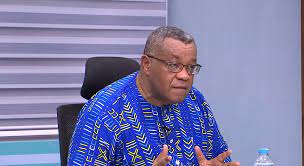
The Secretariat of the government’s 24-Hour Economy Programme has rejected claims that the initiative has failed to deliver results, stating that the policy has moved into the implementation phase with major investments, expanded round-the-clock services and increased industrial activities already underway.
In a statement responding to comments by the Ranking Member of Parliament’s Economy and Development Committee, Kojo Oppong Nkrumah, the Secretariat said the programme has attracted significant private sector interest and is beginning to yield measurable outcomes.
The Secretariat disclosed that Joint Development Agreements worth $5.5 billion had been secured with development partners as of May 2026, while 268 fuel stations and 33 manufacturing companies have adopted the programme’s multi-shift production system.
The response follows concerns raised by Mr Oppong Nkrumah, who questioned the impact of the policy since its introduction and suggested that large amounts of public resources had been committed without clear evidence of results.
However, the Secretariat disagreed with that assessment, arguing that the success of the programme should be measured by the investments attracted, production capacity expanded, export opportunities created and jobs generated rather than direct government spending.
It said the initiative is targeting the creation of 1.7 million decent jobs by the end of 2028, with four investment agreements signed within the last three months alone expected to create more than 160,000 direct employment opportunities.
The Secretariat also dismissed claims that the 24-Hour Economy Programme had benefited from the GH¢650 billion approved by Parliament over the past two years, explaining that the amount represents the country’s total national budget and not funding allocated specifically to the initiative.
According to the Secretariat, the programme is primarily driven by private sector investment, with local and international companies expected to finance most projects, while government provides coordination, project preparation and limited strategic support where necessary.
Among the major projects highlighted is the $1.45 billion Buipe solar and battery initiative, which is expected to generate 1,500 megawatts of power and create about 13,000 jobs.
The Secretariat also mentioned the $250 million Kambonwule oil palm project, which is projected to provide employment opportunities for approximately 120,000 people once fully operational.
It further noted that some public institutions, including the Driver and Vehicle Licensing Authority (DVLA), Ghana Publishing Company and Ghana Ports and Harbours Authority (GPHA), have started extending their services to operate on a 24-hour basis.
The Secretariat explained that the phased rollout of the programme is deliberate, allowing government to secure investors, develop bankable projects and address key challenges such as infrastructure, land availability and reliable energy supply.
It expressed confidence that the impact of the policy will become increasingly visible as more investments are implemented, businesses expand production, employment opportunities grow and Ghana’s export capacity improves.





Popular News
No trending posts found.