
FABAG warns tariff hikes are undermining manufacturing and industrial growth
The Food and Beverages Association of Ghana (FABAG) has called for deep structural reforms in the power sector, warning that repeated increases in electricity tariffs are stifling industrial growth and placing added pressure on manufacturers already facing high operating costs.
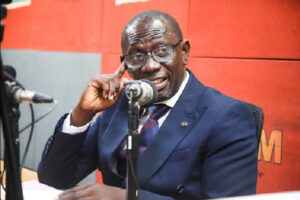
The association’s Executive Chairman, Rev. John Awuni, said Ghana’s approach to addressing challenges in the electricity sector has become overly reliant on tariff hikes, rather than tackling the inefficiencies within the system that continue to affect both utility providers and consumers.
His remarks come in response to the latest tariff adjustment announced by the Public Utilities Regulatory Commission (PURC), which approved a 3.49 percent increase in electricity tariffs across all consumer categories and a 0.85 percent rise in water tariffs, effective July 1, 2026.
The PURC explained that the adjustments were influenced by macroeconomic factors such as inflation, exchange rate fluctuations, fuel costs, and changes in the electricity generation mix.
However, Rev. Awuni argued that these periodic increases do not address the underlying structural and operational challenges facing the power sector.
He described the recurring tariff hikes as a major disincentive to industrial development, stressing that they are negatively impacting manufacturing and agro-processing businesses where energy costs form a significant portion of production expenses.
According to him, rising utility costs are making it increasingly difficult for firms to expand, remain competitive, and create sustainable employment opportunities.
He further cautioned that while tariff reviews may offer short-term financial relief to utility providers, they fail to resolve inefficiencies in the electricity value chain or address long-standing structural weaknesses.
Rev. Awuni also rejected the idea that Ghana’s power sector challenges are primarily due to low electricity prices, insisting instead that inefficiencies in management, revenue collection, and distribution remain the core problems.
He noted that Ghana already has relatively high electricity tariffs compared to other countries in the sub-region, warning that further increases could weaken industrial competitiveness and discourage investment.
The FABAG Chairman urged policymakers to adopt more innovative and sustainable reforms aimed at improving efficiency, reducing losses, and strengthening overall sector performance.
He stressed that continuous tariff adjustments are not a viable solution to the sector’s challenges, describing them as an insufficient approach to addressing deep-rooted inefficiencies.
Rev. Awuni warned that without bold reforms, rising energy costs could undermine Ghana’s industrialisation agenda, slow investment, and weaken investor confidence in the country’s productive sectors.




Popular News
No trending posts found.