
Bank of Ghana’s MPC begins key policy meeting as inflation, cedi outlook take centre stage
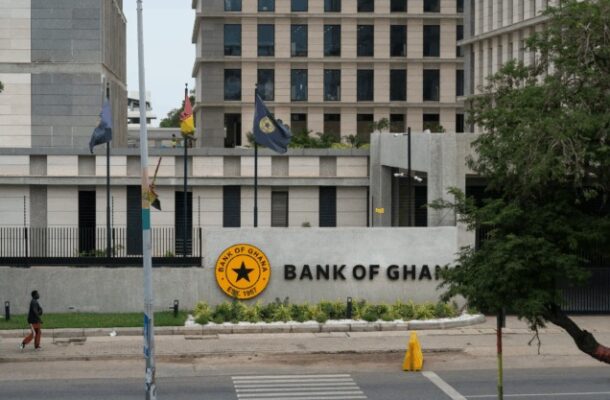
The Monetary Policy Committee (MPC) of the Bank of Ghana begins its three-day meeting today, July 20, to review recent economic developments and determine the country’s monetary policy direction.
The meeting, which ends on Wednesday, July 22, is expected to conclude with the announcement of a new policy rate. The benchmark rate currently stands at 14%.
Economists say the latest MPC meeting is likely to be one of the most closely watched this year as policymakers assess the impact of domestic economic conditions and mounting global uncertainties, particularly geopolitical tensions in the Middle East.
The Committee is expected to examine inflation trends, exchange rate performance, rising crude oil prices and external risks, while considering measures to preserve the recent stability of the Ghana cedi.
Prior to the escalation of tensions in the Middle East, many analysts had predicted that the Bank of Ghana would begin easing monetary policy with a slight reduction in the policy rate, following improving macroeconomic indicators.
However, the renewed global uncertainty and higher oil prices have altered those expectations. Many economists now believe the MPC is more likely to keep the policy rate unchanged at 14% while monitoring the potential impact of external developments on inflation and economic growth.
Bank of Ghana Governor Dr Johnson Asiama has repeatedly stated that the Committee’s decisions will be driven by incoming economic data. During a recent interview with Bloomberg in London, he also noted that developments in the Middle East could influence Ghana’s inflation outlook and future monetary policy decisions.
Issues before the Committee
Throughout the three-day meeting, members of the MPC will assess key economic indicators, including inflation, exchange rate movements, credit growth, fiscal performance and broader macroeconomic conditions.
The Committee will also evaluate domestic and international risks that could affect inflation, economic growth and financial stability in the months ahead.
As part of its deliberations, members will review technical reports prepared by Bank of Ghana officials and may receive briefings from selected stakeholders, including government agencies and industry groups.
Following the discussions, each member will present their policy recommendation before voting on the appropriate policy rate. The final decision will be reached either through consensus or a majority vote.
Membership of the MPC
The Monetary Policy Committee is chaired by the Governor of the Bank of Ghana, Dr Johnson Asiama.
Other members include First Deputy Governor Dr Zakari Mumuni, Second Deputy Governor Matilda Asante-Asiedu, the Bank’s Head of Research, the Head of Treasury and two external members appointed to the Committee.






Popular News
No trending posts found.