Fuel prices may fall to GH¢9 Per Litre – CBOD
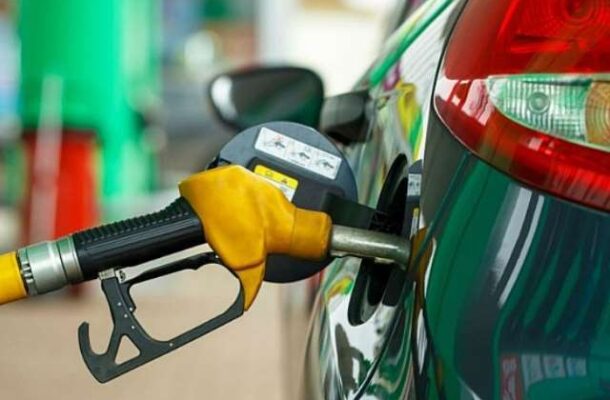
The Chief Executive of the Chamber of Bulk Oil Distributors (CBOD), Dr Patrick Ofori, has attributed the high cost of fuel in Ghana to global supply chain disruptions triggered by international conflicts.
Speaking on Citi Eyewitness News on Tuesday, June 16, 2026, Dr Ofori explained that tensions involving the United States and Israel significantly affected global petroleum markets over the past year, driving up fuel prices in Ghana.
According to him, fuel prices could currently be between GH¢9 and GH¢10 per litre if not for the impact of the conflicts and the resulting disruptions to international supply chains.
He noted that fuel prices have risen sharply since the beginning of the year, with petrol recording an increase of about 88 per cent, while diesel prices have nearly doubled.
Dr Ofori said the conflicts disrupted the movement of petroleum vessels and reduced shipping capacity, leading to a surge in transportation and insurance costs. He revealed that freight charges for vessels bringing fuel to Ghana increased more than fivefold after the outbreak of the conflict.
Insurance costs also rose dramatically, with premiums climbing from approximately $3 million to as much as $17 million. In some cases, insurers declined to provide coverage altogether due to heightened risks.
“Since January, pump prices have almost doubled. Petrol increased by about 88 per cent and diesel by nearly 100 per cent based on the prices at which we purchased the products,” he said.
He added that if the international conflicts had not occurred, current exchange rates from the Bank of Ghana auctions would have supported significantly lower fuel prices.
Dr Ofori further explained that uncertainty in global markets forced suppliers and traders to secure fuel products at higher prices. He noted that some suppliers prioritised countries where they already had established retail operations and contractual commitments, compelling countries such as Ghana to seek alternative and often more expensive supply sources.
He also expressed concern about Ghana’s vulnerability to external shocks, citing the absence of a substantial strategic petroleum reserve. According to him, building such reserves would require a dedicated and sustainable funding mechanism, similar to systems used in other countries where petroleum levies support reserve accumulation.
His comments come at a time when global oil prices have begun to ease following reports of a peace agreement between the United States and Iran. Industry observers believe that if the downward trend in international oil prices continues, Ghanaian consumers could see some relief at the pumps in the coming weeks.












Comments (0)