
Government says 24-Hour Economy programme to cut unemployment below 5% by 2034
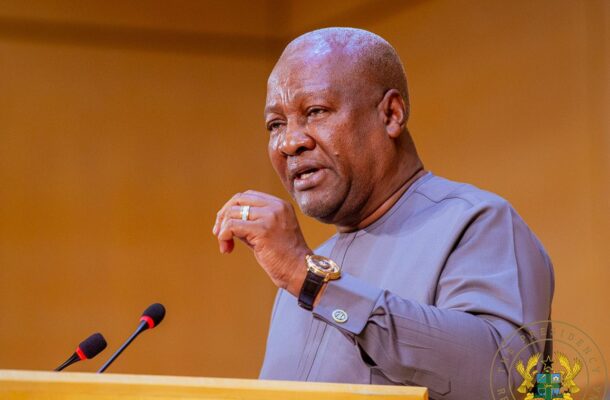
The Government of Ghana has reaffirmed its commitment to tackling unemployment through its flagship 24-Hour Economy Programme, projecting that the national unemployment rate will fall to below five per cent by 2034.
According to the 24-Hour Economy Secretariat, the target represents a reduction of 9.7 percentage points from the 14.7 per cent unemployment rate recorded in September 2024. The programme is expected to drive job creation through increased industrial production, expanded exports and stronger private sector investment.
The Secretariat said the initiative aims to create 1.7 million decent jobs by the end of 2028, including direct, indirect and induced employment opportunities generated by projects under the programme.
In a statement, the Secretariat outlined a performance roadmap that focuses on shift-based production, infrastructure development and private sector-led investments to improve employment outcomes and boost economic growth.
The announcement comes as the government secured project agreements worth $5.5 billion through joint partnerships. Officials say the first four major projects under these agreements are expected to create more than 160,000 direct and sustainable jobs, particularly for young people.
The 24-Hour Economy Programme, which is a key policy of the Mahama administration, seeks to increase productivity by promoting continuous operations across sectors such as manufacturing, agro-processing, transport and digital services.
The Secretariat said the programme has moved beyond its planning stage and is now in full implementation. It disclosed that 268 filling stations and 33 major manufacturing companies have already adopted round-the-clock operations.
To strengthen the implementation of the initiative, President John Dramani Mahama has announced plans to establish a dedicated 24-Hour Economy Authority.
A committee has completed the review of the legal framework for the proposed authority, and the enabling bill is expected to be presented to Parliament soon.
Once established, the Authority will oversee the registration of participating businesses and administer government incentives, including tax rebates of up to 50 per cent and import duty waivers, to encourage investment in the programme.
Meanwhile, independent economists, including experts from the University of Ghana Business School, have described the government’s target of reducing unemployment below five per cent within a decade as ambitious but achievable. They note that success will depend on sustained export growth, reliable energy supply and continued infrastructure investment.
The government also plans to align the 24-Hour Economy Programme with its Accelerated Export Development Strategy, which seeks to increase non-traditional export earnings to $10 billion.
Officials believe that expanding shift-based production while investing in modern commercial hubs, cold-chain infrastructure and other productivity-enhancing projects will help reduce youth unemployment and support long-term economic transformation.






Popular News
No trending posts found.