
Gov’t pushes expansion of West African Gas Pipeline to boost regional energy integration

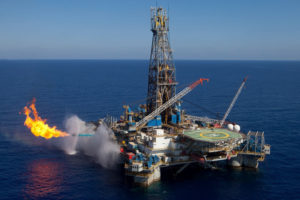
The government is advocating the expansion of the West African Gas Pipeline and other cross-border gas infrastructure projects as part of efforts to strengthen regional energy integration, improve energy security, and drive economic growth across West Africa.
Speaking at the opening of the West African Gas Summit (WAGS) 2026 in Accra, Deputy Minister for Energy and Green Transition, Richard Gyan-Mensah, said enhanced regional cooperation in the gas sector is critical to unlocking the sub-region’s vast energy potential.
Delivering remarks on behalf of the sector minister, Mr. Gyan-Mensah noted that while the West African Gas Pipeline has demonstrated the value of regional collaboration, there remains significant room for expansion to support greater interconnection and cross-border energy trade.
“The West African Gas Pipeline shows what is achievable, but there is still significant potential to expand interconnection and cross-border trade. The more integrated our markets are, the more resilient and appealing they become,” he stated.
He described natural gas as a key driver of industrialisation, job creation and improved living standards, stressing that abundant gas resources alone are insufficient to deliver economic transformation without the necessary infrastructure, supportive policies and strategic partnerships.
“For West Africa, gas must be central, not just as an end in itself, but as a tool for industrialisation, economic transformation, and improved living standards,” he said.
Mr. Gyan-Mensah disclosed that domestic gas fields currently supply approximately 80 per cent of the natural gas used for power generation and industrial operations in Ghana, helping to lower electricity production costs and enhance the country’s energy security.
According to him, interruptions in gas supply often compel power producers to switch to more expensive liquid fuels, resulting in higher electricity generation costs and increased economic pressure.
The Deputy Minister also called for stronger private sector participation in financing gas infrastructure projects, noting that governments alone cannot provide the level of investment required to transform the region’s energy sector.
He stressed that attracting private capital would be essential to expanding infrastructure, improving market connectivity, and accelerating the development of the gas industry across West Africa.
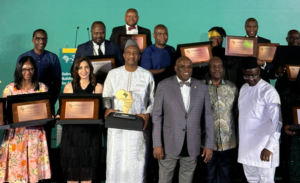
The West African Gas Summit 2026, organised by the Gas Consortium in collaboration with the West Africa Gas Pipeline Authority, brought together policymakers, regulators, investors and industry leaders to discuss strategies for advancing gas sector development and deepening regional energy integration.
Participants explored opportunities to strengthen energy cooperation, expand infrastructure networks and leverage natural gas as a catalyst for economic growth and industrial development across the sub-region.












Comments (0)