The expanded World Cup has lost its value – Ghana coach Carlos Quieroz
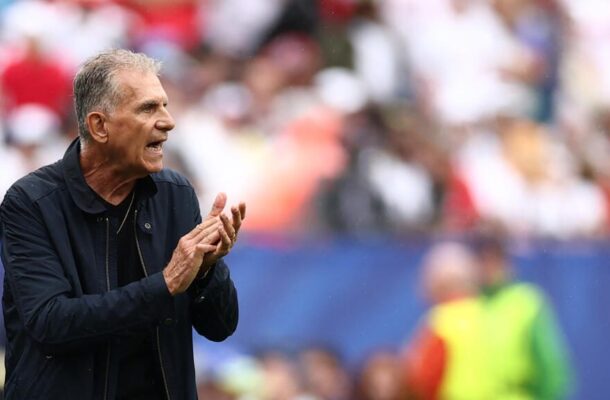
Ghana head coach Carlos Queiroz has launched a scathing attack on FIFA’s expanded 48-team World Cup, warning that football’s biggest tournament risks losing its prestige and exclusivity.
The veteran coach questioned whether the competition still carries the same significance after FIFA increased the number of participating nations from 32 to 48, arguing that easier qualification has weakened one of football’s greatest achievements.
Speaking after Ghana’s 2-1 defeat to Croatia in their final Group L match in Philadelphia, Queiroz said the World Cup should remain a rare honour reserved for the very best teams.
“I believe that value comes when things are rare,” he said.
“The number of teams that can qualify for this competition can turn it into something vulgar and ordinary. When so many teams can qualify, is the value still rare? That would seem debatable to me, but it is only my opinion.”
The expanded format, approved by FIFA in 2017 under president Gianni Infantino, was introduced to increase global representation and provide more nations with an opportunity to compete on football’s biggest stage.
Supporters of the change argue it promotes inclusivity and accelerates the development of emerging football nations. Critics, however, believe it has reduced the competitiveness of qualification and diluted the tournament’s elite status.
Queiroz, one of international football’s most experienced coaches, believes the value of reaching the World Cup has diminished.
“The real success now in South America would be in not qualifying,” he said.
“The qualification tournaments start to lose their significance if everyone qualifies. Qualification should be serious, it should be very tough, very competitive.
“The World Cup should be something with meaning and significance. It should be rare. But, as you know, today money talks in the game. Where we used to talk about football, it is now moneyball.”
The Portuguese coach is well placed to offer that perspective. Across a coaching career spanning more than four decades, he has managed 11 national teams and led Portugal, Iran and South Africa at previous World Cups before taking charge of Ghana.
Despite his reservations about the tournament’s new format, Queiroz has guided the Black Stars into the knockout phase. Victories over Panama and a hard-fought draw with England secured Ghana’s place among the best third-placed teams before their defeat by Croatia.
Attention now turns to the Round of 32, where Ghana will face Group K winners Colombia in Kansas City on 3 July as they bid to reach the last 16.
For Queiroz, however, the debate over the future of the World Cup is unlikely to end with Ghana’s campaign.





Popular News
No trending posts found.