Cedi shows mixed but stable performance amid external pressures
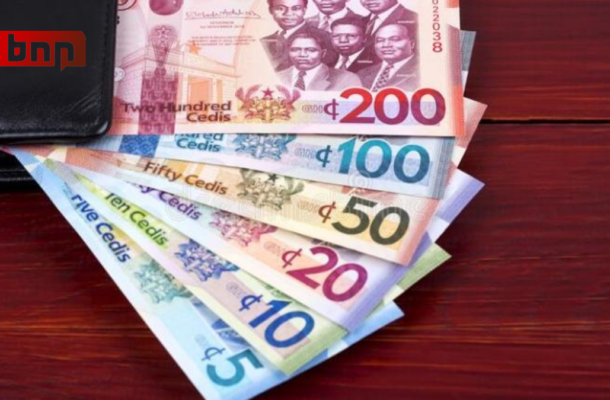
The Ghana cedi delivered a mixed but generally stable performance over a recent two-week period, recording slight losses against the US dollar and euro, while strengthening against the British pound in parts of the market.
In the interbank market, the cedi depreciated marginally to GH¢11.00 per dollar (-0.27%) and GH¢12.70 per euro (-0.47%). However, it posted a slight gain of 0.13% against the pound, closing at GH¢14.56.
In the retail market, the local currency also slipped against the dollar, trading at GH¢11.68 (-0.21%). It, however, appreciated more strongly against the pound by 1.31% to GH¢15.30 and rose 0.75% against the euro to GH¢13.30.
According to Databank Group, the cedi’s recent dip is largely driven by increased demand for foreign exchange—particularly from Bulk Oil Distribution Companies—amid elevated global crude oil prices. The firm noted that interventions by the central bank have helped maintain relative stability in retail market rates.
Despite the recent stability, Databank cautioned that risks to the cedi’s outlook remain on the downside. It pointed to ongoing tensions in West Asia as a key factor that could simultaneously boost Ghana’s export earnings from commodities such as gold and oil, while also increasing demand for safe-haven foreign currencies.
At the forex bureau level, the cedi opened the week at around GH¢11.70 to the dollar. So far this year, the currency has recorded an appreciation of 4.51%.















Comments (0)