
Labour Minister calls for urgent investment in Africa’s health workforce
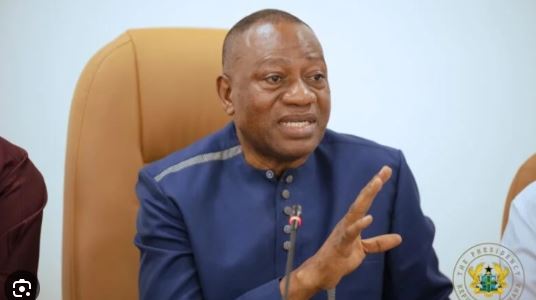
The Minister for Labour, Jobs and Employment, Rashid Pelpuo, has called for urgent and sustained investment in Africa’s health workforce, warning that a growing shortage of professionals could severely affect healthcare delivery across the continent.
Speaking at the Second Africa Health Workforce Investment Forum in Accra on Wednesday, May 6, 2026, Mr. Pelpuo said Africa risks facing a deficit of up to 6.1 million health workers by 2030 if decisive interventions are not implemented.
He explained that the shortage is already straining health systems, limiting access to essential services, worsening inequalities, and slowing progress toward key global and continental targets, including United Nations Sustainable Development Goal 3 and the African Union Agenda 2063.
“Africa has no option but to act decisively to avert a severe healthcare crisis in the near future,” he said, urging governments to prioritise the welfare, retention, and motivation of health workers.
The forum brought together policymakers, health professionals, development partners, and international organisations, including the World Health Organization (WHO), to discuss strategies for strengthening Africa’s health workforce.
Highlighting Ghana’s situation, the Minister described the country’s health system as being under “immense pressure,” driven largely by brain drain among skilled professionals and difficulties in retaining staff in rural areas.
He noted that despite investments in health infrastructure and improvements in staffing levels, the continuous loss of experienced personnel has resulted in shortages of specialists and increased workload on remaining health workers.
Mr. Pelpuo stressed that investment in the health workforce is both a social necessity and an economic imperative, adding that a strong workforce improves healthcare quality, emergency response capacity, and overall system resilience.
He also raised concerns about emerging challenges such as climate change, which he said is increasing disease burdens, occupational risks, and demand for emergency healthcare services.
“As stakeholders, we must promote occupational safety, decent work, and social dialogue to ensure that frontline health workers are protected and supported,” he said.
The Minister further emphasized the need for collaboration, noting that African governments cannot address the challenge alone and must work closely with international partners.
He reaffirmed the government’s commitment under President John Dramani Mahama to strengthen partnerships and increase investment in the health sector.
Mr. Pelpuo urged participants at the forum to share evidence-based solutions that can guide long-term workforce planning and improve coordination across Africa.
“The outcomes of this forum must translate into stronger policies and better healthcare delivery for our people,” he added.
The forum is expected to produce actionable strategies to address health workforce shortages and strengthen health systems across the continent.






Popular News
No trending posts found.