
Fitch Ratings upgrades Ghana’s credit rating to B with positive outlook amid economic recovery
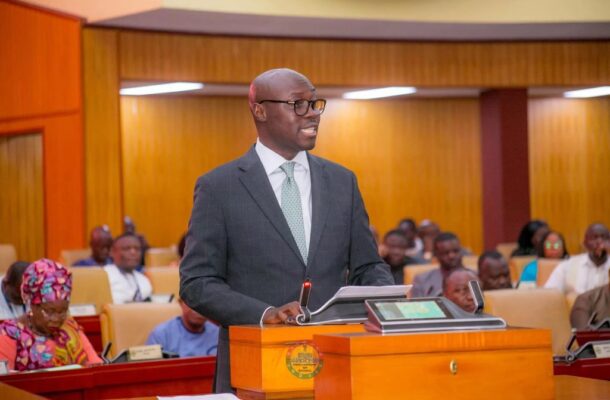
Fitch Ratings has upgraded Ghana’s Long-Term Foreign-Currency Issuer Default Rating from B- to B with a Positive Outlook, citing strong economic growth, improving fiscal discipline, declining debt levels and rising international reserves.
The upgrade, announced on Friday, reflects growing confidence in Ghana’s economic recovery efforts following the country’s recent debt restructuring programme and broader macroeconomic reforms.
In its latest assessment, Fitch said Ghana’s improved credit profile was driven by “a sharp fall in public debt/GDP, supported by robust real GDP growth, substantial fiscal consolidation efforts and currency appreciation, and a marked increase in international reserves that lowers external liquidity risks.”
According to the ratings agency, Ghana’s public debt is projected to decline further to 46 percent of GDP by 2027, placing the country below the median debt level for economies within the B rating category.
Fitch also highlighted Ghana’s strengthening external position, pointing to strong current account surpluses, rising foreign direct investment inflows and continued support from multilateral institutions.
The agency projected that Ghana’s international reserves could rise to cover 4.8 months of external payments by 2027, reducing external financing risks.
It further disclosed that Ghana’s unencumbered reserves increased by US$5.4 billion in 2025 to reach US$12.3 billion.
The report also noted that Ghana recorded a current account surplus of 8.2 percent of GDP in 2025, largely supported by strong gold export earnings and favourable global gold prices.
On fiscal performance, Fitch projected that Ghana would maintain primary fiscal surpluses of 1.5 percent of GDP in both 2026 and 2027 after achieving a record 2.9 percent surplus in 2025.
The agency said improvements in public financial management systems had reduced the likelihood of short-term fiscal slippages.
Fitch further identified declining inflation and stronger economic activity as major factors supporting the rating upgrade.
Inflation, which dropped to 3.2 percent in March 2026 — the lowest level recorded since 1999 — was described as a sign of improving macroeconomic stability.
The agency expects Ghana’s economy to sustain average growth of about 5 percent through 2027, driven by increased gold production, improved consumer confidence, lower inflation and easing borrowing costs.
Despite the positive outlook, Fitch cautioned that Ghana still faces challenges, including high debt servicing obligations and exposure to external economic shocks.
The agency warned that weaker fiscal performance, renewed inflationary pressures or failure to strengthen external reserves could negatively affect Ghana’s rating outlook in the future.
However, Fitch indicated that continued fiscal discipline, sustained economic reforms and stronger reserve accumulation could pave the way for further upgrades in the coming years.






Popular News
No trending posts found.