
IMF Programme stabilised inflation, exchange rate and reserves – Dr Atuahene
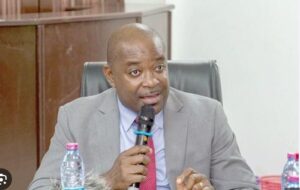
Banking consultant Dr Richmond Atuahene has said the International Monetary Fund (IMF) programme has contributed significantly to stabilising Ghana’s key macroeconomic indicators, including inflation, the exchange rate, and foreign reserves.
His comments come in the wake of Ghana’s broader economic recovery following the successful completion of the country’s US$3 billion Extended Credit Facility (ECF) programme with the IMF.
Government has announced that Ghana has exited the IMF-supported arrangement ahead of schedule and will now transition into a non-financing Policy Coordination Instrument (PCI) framework. Authorities say the shift reflects improved macroeconomic stability and progress toward debt sustainability, following a series of fiscal and structural reforms.
Speaking in an interview with Channel One TV on Monday, May 18, 2026, Dr Atuahene said the programme had delivered visible stabilisation outcomes for the economy.
“The programme has shaped us; we have had inflation down, currency stability and the reserves, although we have not been able to do much on the social reforms,” he stated.
He described Ghana’s current economic direction as encouraging, adding that it signals the beginning of a stronger growth path.
“We’re on the right trajectory, and it’s a good beginning to go into economic growth,” he said.
Dr Atuahene also reflected on the severe economic challenges faced between 2022 and 2023, a period marked by high inflation, fiscal pressure, and currency depreciation.
“Looking at where we started in 2022–2023, it was terrible as far as inflation was concerned. The fiscal deficit was about 7.9 per cent, and the currency was depreciating like Usain Bolt. Our reserves at one time were $1.7 billion,” he recalled.




Popular News
No trending posts found.